
Why Pilates Is More Than Stretching: How It Builds Mobility, Strength, and Control
Discover how Pilates builds mobility, strength, and control through controlled movement and core stabilization.
Jun 4, 2026
·
7 min read
IN THIS ARTICLE
KEY TAKEAWAYS
- Pilates for mobility develops joint control and flexibility by emphasizing controlled range of motion and core stabilization.
- Reformer adds adjustable resistance and exercise variety; mat Pilates provides accessible, bodyweight-based progressions.
- Consistent Pilates practice can improve trunk strength, endurance, and posterior flexibility within weeks.
- Use Pilates alongside cardio or strength training to complement overall fitness and support functional movement.
Crunches can strengthen the muscles at the front of your torso. Pilates takes a broader approach. Pilates exercises combine core stabilization, flexibility, and strength work through controlled movement patterns.¹
That combination is one reason Pilates remains popular with everyone from beginners to athletes. Whether performed on a mat or a reformer, Pilates emphasizes core stability and coordinated movement through a controlled range of motion.¹
For many people, mobility is about more than flexibility alone. Pilates emphasizes controlled movement and core stabilization throughout each exercise, helping explain why it is often included in mobility-focused training programs.¹ Pilates uses structured movement, breathing, and core stabilization throughout the exercise method.¹
This guide explains how Pilates supports mobility and strength, what consistent Pilates practice may support over time, and what to consider when choosing a reformer for home use.
What Pilates Actually Is (And What It Isn't)
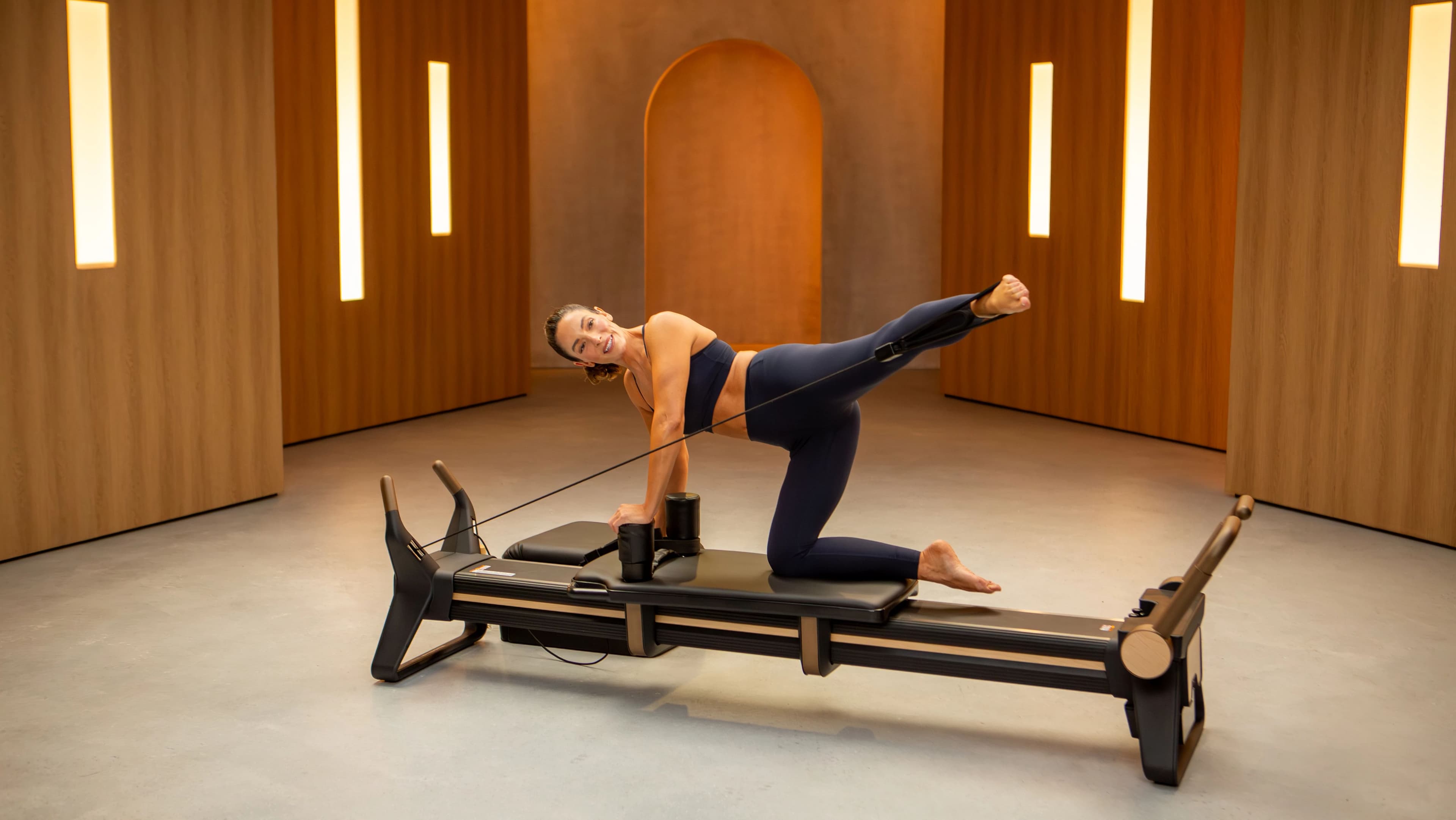
Pilates is a system of exercise developed by Joseph Pilates that combines controlled movement, breathing, and core stabilization. Pilates exercises can be performed on a mat or on specialized equipment such as a reformer.¹
The method uses a series of exercises designed to challenge strength, endurance, flexibility, posture, and balance.¹ Many Pilates movements begin by stabilizing the core muscles before moving through a controlled range of motion.¹
What Pilates Is Not
- Not just stretching. Pilates exercises combine movement with active muscle engagement. Exercises are performed through controlled ranges of motion while emphasizing core stabilization.¹
- Not limited to one fitness level. Pilates exercises can be adapted to provide gentle strength training in some settings or a more demanding workout for experienced exercisers and athletes.¹
- Not just abdominal training. While core stabilization is a central part of the method, Pilates exercises involve coordinated movement patterns that can challenge multiple muscle groups throughout the body.¹
- Not Yoga. While both emphasize breathing and body awareness, they target different outcomes. According to the National Center for Complementary and Integrative Health (NCCIH), yoga uses physical postures to support stress management and static balance.⁵ Pilates, by contrast, relies on a resistance-based movement system designed for dynamic strength and core stabilization.¹ This focus on active joint control is what separates mobility from a traditional stretching routine.
- Not a replacement for every other form of exercise. Pilates can be performed on its own or alongside other types of training. The exercises are designed to improve strength, endurance, flexibility, posture, and balance.¹
If you've ever wondered what Pilates does for your body, the answer depends on the program and how consistently you practice. Research reviewed in the literature suggests Pilates may help improve flexibility, abdominal and lumbo-pelvic stability, and muscular activity.¹
How Mobility Through Controlled Movement is Different from Flexibility
Mobility and flexibility are related, but they are not the same.
Flexibility generally refers to a muscle's ability to lengthen. Mobility refers to moving a joint through a range of motion with control.
Pilates is often associated with flexibility, but many Pilates exercises also emphasize controlled movement and core stabilization.¹
Several characteristics of Pilates may help explain why it is frequently used in mobility-focused training programs.
Controlled Range of Motion
Pilates exercises are typically performed through a controlled range of motion rather than relying on momentum. Each exercise begins with core stabilization before movement occurs.¹
This emphasis on control is a defining feature of the method and remains consistent whether Pilates is performed on a mat or a reformer.¹
Core Stabilization
All Pilates exercises are built around several foundational principles, including breathing, cervical alignment, rib and scapular stabilization, pelvic mobility, and activation of the transversus abdominis.¹
The method places particular emphasis on stabilizing the core musculature before movement begins.¹
Movement Variety
One characteristic of Pilates is the variety of exercises and body positions used throughout a session. According to a review of the method, participants are continually exposed to new muscular and kinesthetic challenges as exercises change.¹
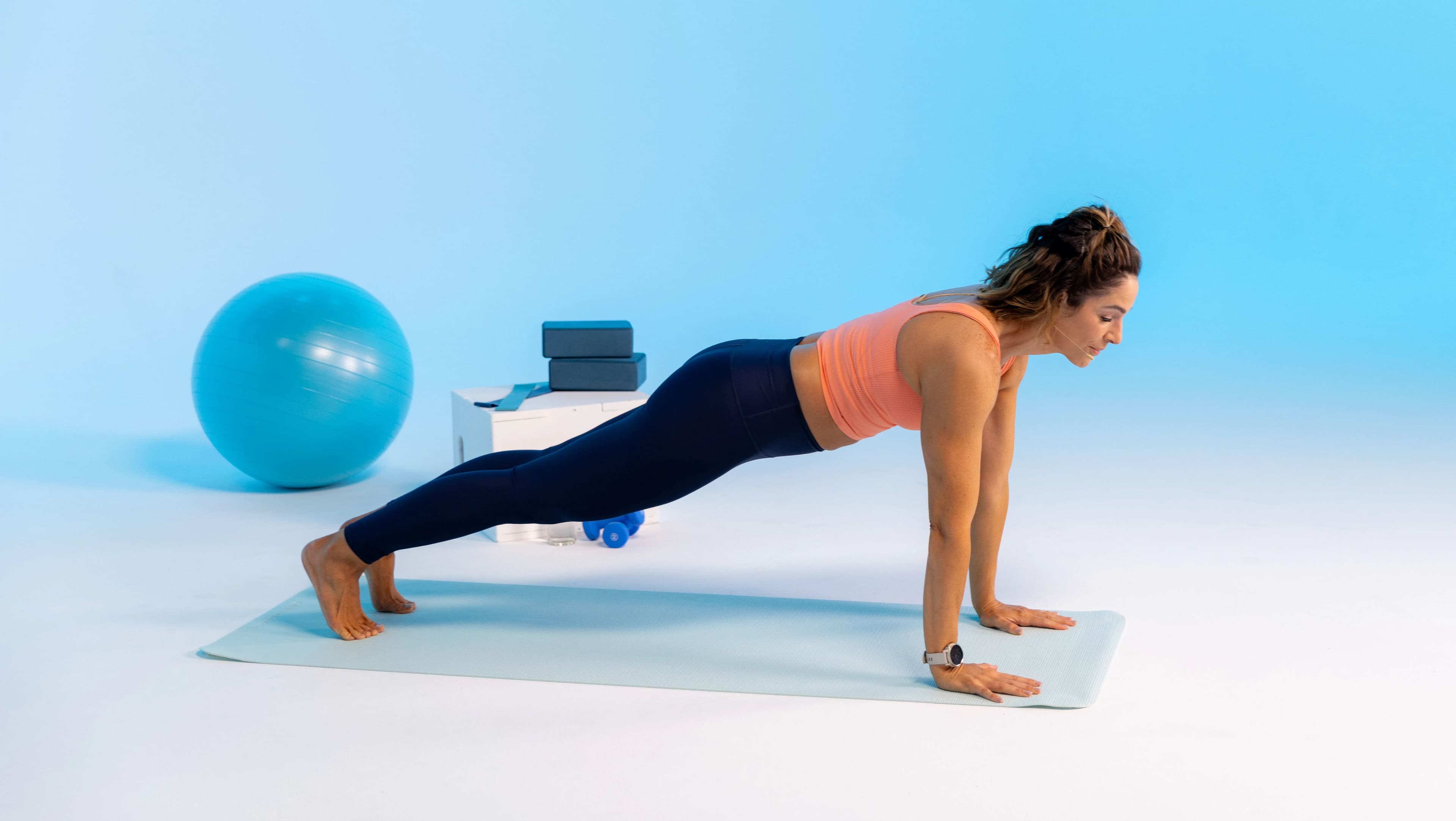
On a mat, body weight provides the primary source of resistance.¹ On a reformer, resistance is provided through springs attached to a moving carriage and pulley system.¹
Flexibility and Trunk Function
Research has found cautious support for the effectiveness of Pilates in improving flexibility.¹
In a five-week study of sedentary adult females, participants who completed a Modern Pilates mat exercise program demonstrated significant improvements in abdominal and lower back strength, abdominal muscular endurance, and posterior trunk flexibility.³
Taken together, these findings help explain why Pilates is commonly used by people interested in combining strength, flexibility, and controlled movement within the same training method.
Why Mobility and Strength Are Closely Connected in Pilates
Pilates is often discussed in the context of flexibility and mobility, yet strength and endurance are also central components of the method.¹
According to a review of Pilates research, the exercises are designed to increase muscle strength and endurance while also improving flexibility, posture, and balance.¹
Unlike some forms of training that focus on a single movement pattern, Pilates incorporates a variety of exercises and body positions. Throughout a session, participants are exposed to different muscular and kinesthetic challenges as exercises change.¹
Core Muscles Play a Central Role
Each Pilates exercise begins by stabilizing the core musculature before movement occurs.¹
The muscles involved in this stabilization include the abdominal, gluteal, and paraspinal muscles.¹ The transversus abdominis is also emphasized throughout the method and is cued before the initiation of movement.¹
Strength and Endurance
One proposed benefit of Pilates is that the variety of exercises may help challenge the muscles in different ways throughout a workout.¹
Researchers have suggested that exposure to multiple exercises and body positions may contribute to improvements in muscular strength and endurance.¹
In a five-week study of sedentary adult females, participants who completed a Modern Pilates mat exercise program demonstrated significant improvements in abdominal strength, lower back strength, and abdominal muscular endurance.³
Stability and Coordination
The Mayo Clinic notes that core exercises train the muscles of the trunk and pelvis to work together, which contributes to balance and stability.²
Core stabilization is a foundational element of Pilates and is incorporated throughout the exercise method.¹
Strength Beyond the Core
Although Pilates is often associated with abdominal training, the exercises are not limited to the muscles of the midsection.
On a mat, changes in body position can increase challenge by altering limb leverage and body orientation.¹ On a reformer, resistance is provided through springs and a moving carriage system, creating additional exercise variations.¹
As a result, Pilates can incorporate movement involving the upper body, lower body, and trunk within the same workout.¹
If you'd like to explore the role of core training in more detail, see our guide to Core Strength Pilates: Build Stability, Balance, and Better Movement.
What Consistent Pilates Practice May Support Over Time
Pilates is a practice that builds through repetition and consistency. The specific results you experience can depend on factors such as your starting fitness level, training frequency, exercise selection, and overall activity habits.
Several studies have examined how Pilates affects strength, endurance, flexibility, and related measures over time.
In a five-week study of sedentary adult females, participants who completed a Modern Pilates mat exercise program demonstrated significant improvements in abdominal strength, lower back strength, abdominal muscular endurance, and posterior trunk flexibility.³
Another study involving adult novice practitioners found improvements in measures such as sit-and-reach performance, shoulder reach, curl-up performance, and low back extension after eight weeks of traditional mat Pilates training.¹
Research has also found cautious support for the effectiveness of Pilates in improving flexibility, abdominal and lumbo-pelvic stability, and muscular activity.¹
Rather than focusing on a specific timeline, it may be more helpful to view Pilates as a long-term movement practice. Research has reported improvements in flexibility following structured Pilates programs.¹ A five-week study also reported improvements in abdominal strength, lower back strength, abdominal muscular endurance, and posterior trunk flexibility.³
Finding a Pilates Practice That Fits Your Goals
Mobility means different things to different people. For some, it means maintaining flexibility. For others, it means continuing to move comfortably through everyday activities and recreational pursuits.
Pilates offers an approach that combines controlled movement, core stabilization, flexibility work, and strength training within a single exercise method.¹
Whether you choose mat Pilates or reformer Pilates, the most important factor is finding a format you enjoy and can practice consistently.
To continue exploring the method, visit Pilates for Mobility and Mental Focus, and Pilates in Real Homes: What Owning an At-Home Reformer Is Really Like.
FREQUENTLY ASKED QUESTIONS
References
Journal of Bodywork and Movement Therapies. Pilates: how does it work and who needs it?
Journal of Bodywork and Movement Therapies. Effects of Pilates Exercise on Trunk Strength, Endurance and Flexibility in Sedentary Adult Females.
National Center for Complementary and Integrative Health. Yoga for Health: What the Science Says.
Disclaimer: The primary purpose of this blog post is to inform and entertain. Nothing on the post constitutes or is intended to be a substitute for professional medical advice, prevention, diagnosis, or treatment. Reliance on any information provided on the blog is solely at your own risk. Always seek the advice of your physician or other qualified health provider with any questions you may have regarding a medical condition, and please consult your doctor or other health care provider before making any changes to your diet, sleep methods, daily activity, or fitness routine. Do not disregard professional medical advice or delay seeking it because of information available on this blog. NordicTrack assumes no responsibility for any personal injury or damage sustained by any recommendations, opinions, or advice given in this article. Always follow the safety precautions included in the owner’s manual of your fitness equipment.
RECENT ARTICLES
Fitness | iFIT App
Pilates for Mobility and Mental Focus
Explore how Pilates supports mobility, balance, and mental focus through controlled movement and breath. Learn what research shows and how to practice at home or on a reformer.
Jan 13, 2026 · 8 min read
READ MORE
Fitness | Equipment
Mat vs Reformer Pilates: Which Is Right for You?
Not sure whether to start with mat Pilates or invest in a reformer? This clear guide compares cost, space, results, and the learning curve so you can choose the format that fits your goals and budget.
May 14, 2026 · 7 min read
READ MORE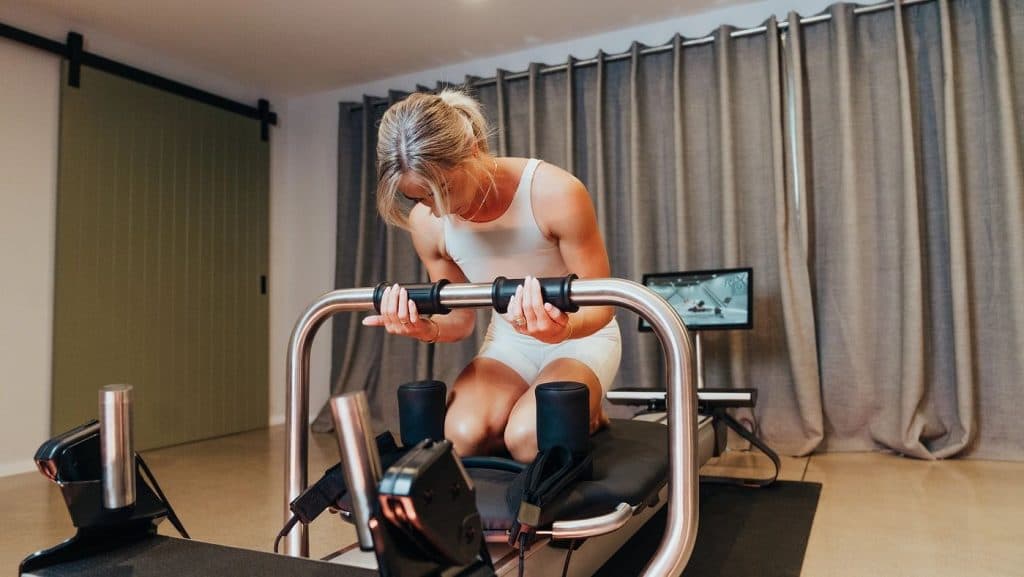
Equipment
Pilates in Real Homes: What Owning an At Home Reformer Is Really Like
Real customer reflections on what it’s like to own an at home reformer, from daily consistency and progression to quality, design, and long-term use.
Feb 24, 2026 · 6 min read
READ MORE