
Functional Fitness: Why Real-World Readiness Matters More Than How You Look
Functional fitness measures what your body can actually do, not how it looks. Here's why that distinction matters more as life asks more of you.
Aug 27, 2026
·
5 min read

IN THIS ARTICLE
KEY TAKEAWAYS
- Functional fitness measures capability under real physical demand, not appearance, and it's a distinct goal worth training for on its own.
Muscle mass and strength peak around age 30 to 35, then decline unless actively maintained through exercise, especially strength training.
Mobility limitations linked to falls, chronic disease, and mortality often trace back to a decline that starts decades earlier than most people realize.
NordicTrack's X24 Treadmill and X24 Bike pair with iFIT to match incline and resistance to real terrain, including the National Parks Virtual Passport series.
Building real-world readiness doesn't require a large time commitment: 150 minutes of aerobic activity plus strength training once or twice a week covers both halves of it.
There's a version of saying no that never makes it into a story. Nobody frames it as a failure. You just take the shorter loop instead of the summit trail. You sit in the folding chair instead of joining the game. You tell your travel group to go ahead, you'll catch up at the hotel. Nothing dramatic happens. Your body just quietly decided the answer before you did.
That's the moment worth paying attention to, because it happens more than people admit, and it's rarely about willpower.
What Real-World Readiness Actually Means
This is the idea behind functional fitness: training measured by what your body can actually do when your life asks something of it, unscheduled, unglamorous, and usually with no time to prepare, not by how your body looks. A hike that runs longer than planned. A weekend of carrying luggage through three airports. A kid who wants to be chased around a yard for twenty straight minutes.
A fitness app's dashboard won't show any of that. Whether you say yes or no will.
Caring how you look is fine. This is a case for a second measurement sitting alongside it: capability. The two aren't opposites, they just answer different questions. Appearance answers "how do I look." Readiness answers "what can I actually do."
The Part Nobody Tells You: Capability Peaks Early
Here's the part that tends to surprise people. Muscle mass and strength increase steadily from birth and reach their peak around age 30 to 35. After that, muscle power and performance decline slowly and linearly at first, then faster after age 65 for women and 70 for men. [1]
Read that again slowly, because it means readiness isn't a plateau you reach and keep. It's a curve, and the default direction of that curve is down, starting earlier than most people assume. The good news buried in the same research: that decline can be substantially slowed by staying active. There's no way to fully stop the clock, but exercise, especially strength training, measurably changes the slope. [1]
That reframes the whole question. Training isn't something you do to get somewhere. It's something you do to keep from sliding backward from wherever you already are.
What Happens When Nobody Pushes Back
This isn't an abstract concern reserved for later in life. It's a trajectory already in motion, and the consequences compound. About 30% of adults over age 70 have trouble with basic movements, walking, getting up out of a chair, or climbing stairs. Mobility limitations like these are linked to higher rates of falls, chronic disease, nursing home admission, and mortality. [1]
That statistic matters most for people nowhere near 70. The decline behind it starts decades earlier, quietly, long before anyone would call it a problem.
Training for What You Actually Want to Keep Doing
Research on aging and strength training points to a practical framing echoed by exercise scientists: setting a goal tied to a specific activity you want to keep doing, not just a number, can help it stick. [1] Not a target weight or a target time. A specific thing: the ski trip you don't want to sit out, the hike, being the parent who can still get on the floor and up again without a production out of it.
The specificity matters. Vague fitness goals are easy to abandon. A goal like "I want to keep doing this exact thing" is much harder to talk yourself out of.
How NordicTrack and iFIT Build That Kind of Readiness
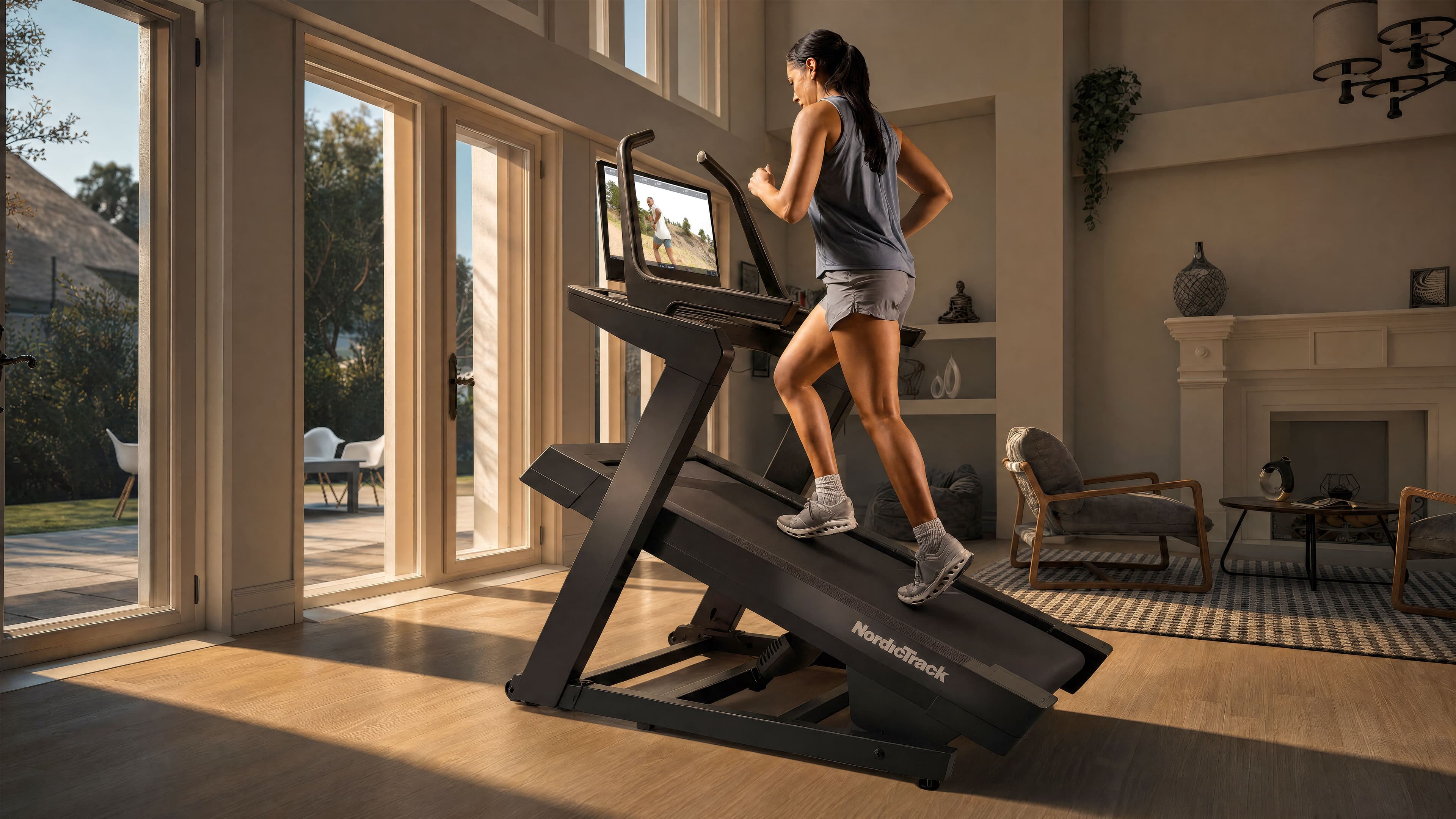
Training for real demand is easier when the training itself reflects real demand. This is the whole premise behind pairing NordicTrack hardware with iFIT: the hardware supplies the mechanical range, and iFIT tells it exactly what to do with that range in real time, matching incline, resistance, and speed to the terrain in a trainer-led workout. Neither half does much without the other. Together, the training you're doing already looks like the thing you're training for.
NordicTrack X24 Treadmill
The X24 Treadmill offers a -6% to 40% incline and decline range, wide enough to reproduce a genuine climb underfoot instead of approximating one.
NordicTrack X24 Bike
The X24 Bike carries the same idea across 24 resistance levels and a -10% to 20% incline range, for the days riding makes more sense than running.
One current series puts this directly into practice: the National Parks Virtual Passport, a year-long campaign moving through 21 national parks tied to America's 250th anniversary, with a new park released monthly through June 2027. The Olympic National Park installment, led by trainer John Peel, is a progressive walk and hike series designed to grow endurance one workout at a time and build the capacity a real trail would demand. Incline and resistance shift automatically to match the terrain on screen, so the training and the goal are the same motion.

How Much This Actually Takes
None of this requires a dramatic time commitment. The American Heart Association recommends at least 150 minutes of moderate-intensity aerobic activity a week for adults, roughly 30 minutes five days a week, a target linked to meaningfully lower risk of heart disease, stroke, type 2 diabetes, and high blood pressure, along with better sleep and mood. [2] Add strength training once or twice a week and you're covering both halves of what the research above actually points to: aerobic capacity and the muscle mass that quietly declines without use. [1]
That's not a large ask relative to what it buys back.
The Moment This Is Actually About
Go back to the folding chair, the shorter loop, the "catch up at the hotel." None of those moments announce themselves as consequences of a decision made years earlier. They just arrive, quietly, as the answer your body already gave before you had a chance to weigh in.
Training for real-world readiness won't guarantee you never face a moment like that. It shifts the odds, and more importantly, it shifts who's making the call. The goal isn't to look like you could handle it. It's to actually be able to, and to know it before you're standing at the trailhead finding out.
Explore More
FREQUENTLY ASKED QUESTIONS
References
National Institute on Aging. How Can Strength Training Build Healthier Bodies as We Age?
American Heart Association. American Heart Association Recommendations for Physical Activity in Adults and Kids
Disclaimer: The primary purpose of this blog post is to inform and entertain. Nothing on the post constitutes or is intended to be a substitute for professional medical advice, prevention, diagnosis, or treatment. Reliance on any information provided on the blog is solely at your own risk. Always seek the advice of your physician or other qualified health provider with any questions you may have regarding a medical condition, and please consult your doctor or other health care provider before making any changes to your diet, sleep methods, daily activity, or fitness routine. Do not disregard professional medical advice or delay seeking it because of information available on this blog. NordicTrack assumes no responsibility for any personal injury or damage sustained by any recommendations, opinions, or advice given in this article. Always follow the safety precautions included in the owner's manual of your fitness equipment.
RECENT ARTICLES
Equipment
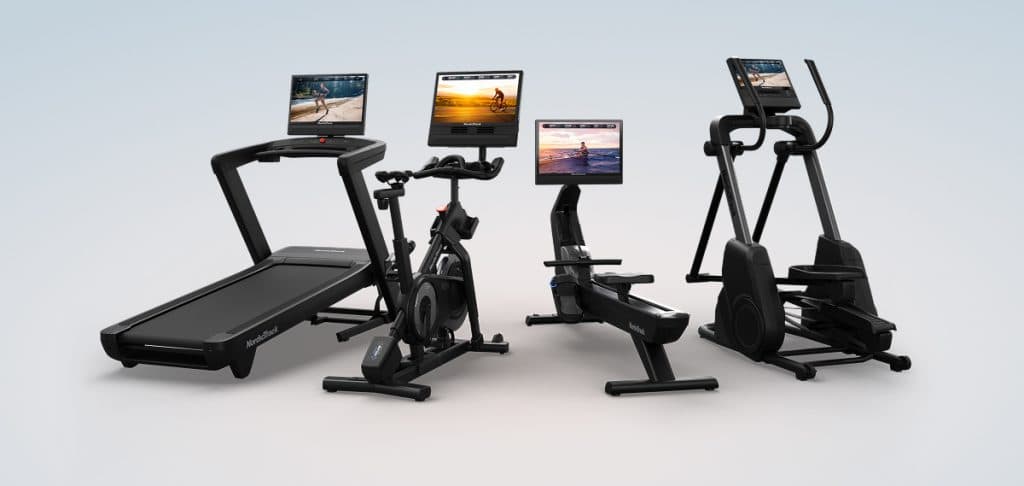
Which Cardio Machines Are Worth the Investment?
Not all cardio machines deliver the same results. Compare treadmills, bikes, ellipticals, and rowers to find the model that fits your goals, joint health, available space, and how often you’ll train.
Aug 27, 2025 · 15 min read
READ MORE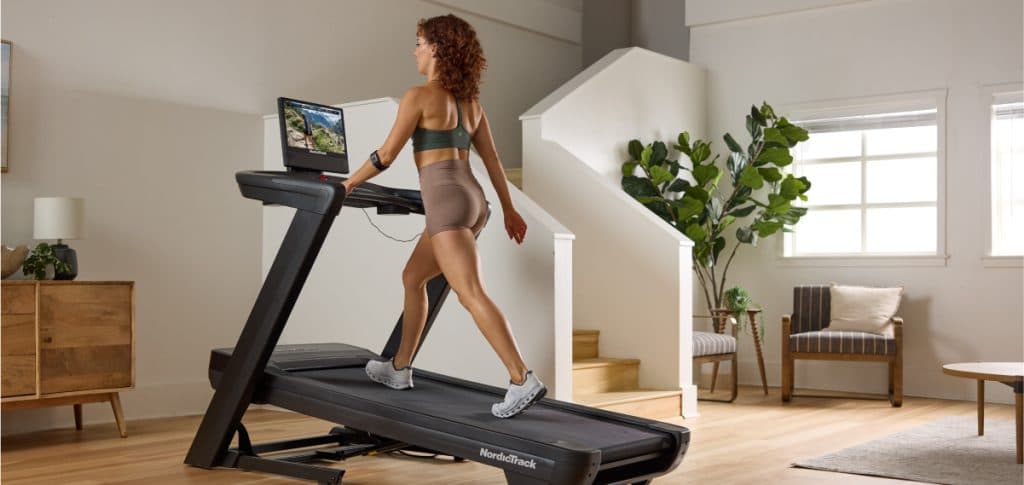
Equipment | Fitness
What Is Incline Training? Benefits, Science, and How to Start
Incline training burns more calories, recruits more muscle, and can be easier on your joints than flat cardio. Here is what the research actually shows and how to get started.
Oct 21, 2025 · 11 min read
READ MORE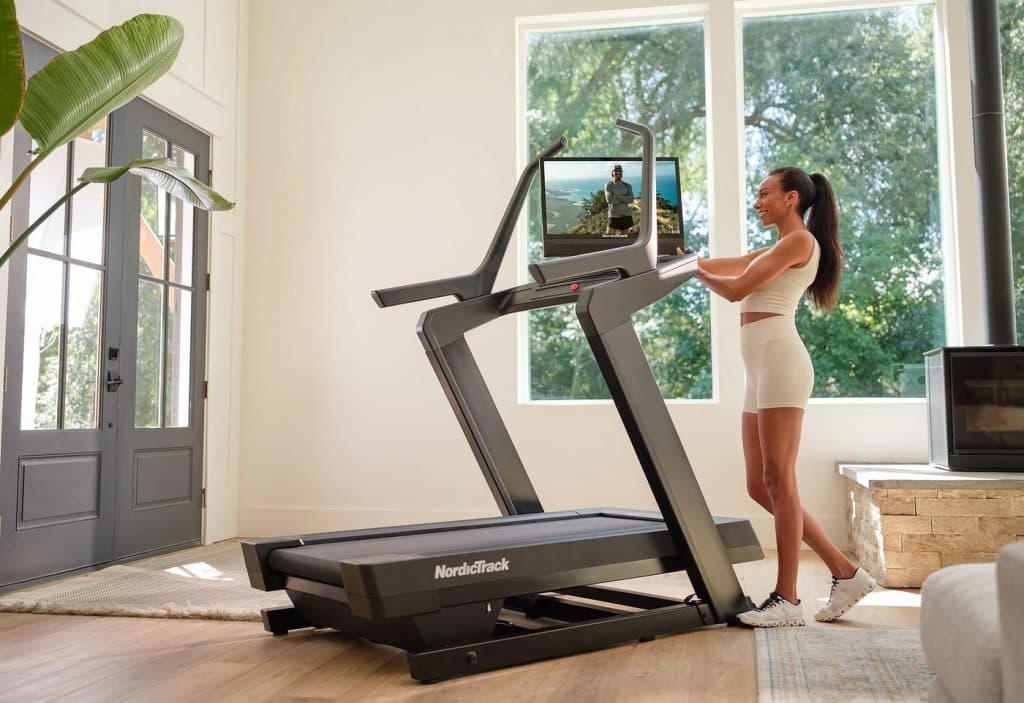
iFIT App | Fitness | Workouts
Choosing a Cardio Routine You Can Stick To in 2026
Build a sustainable cardio routine in 2026 with treadmills, bikes, rowing, and guided iFIT programs designed for flexibility, structure, and long-term consistency.
Dec 30, 2025 · 8 min read
READ MORE