
2026 Treadmill Buying Guide: Find the Best Treadmill for Your Home
Not all treadmills are built the same. This 2026 treadmill buying guide helps you match goals, space, and budget to the right NordicTrack model, comparing specs, features, and tiers so you can buy with confidence.
Apr 20, 2026
·
11 min read

IN THIS ARTICLE
KEY TAKEAWAYS
- A treadmill buying guide starts with four questions: who will use it, how it will be used, how much space you have, and whether you want guided workouts.
- Motor power, belt size, incline range, cushioning, and weight capacity are the specs that most directly affect daily performance and long-term durability.
- The best treadmill for your home depends on your primary use: walking, running, or incline training each calls for a different machine.
- Budget tiers range from versatile entry-level options like the T Series to premium incline trainers and luxury models like the Ultra Series.
- iFIT Pro Membership adds guided workouts and automatic adjustments but is optional. Manual mode works without a subscription.
Buying a treadmill is a real investment in your health, your consistency, and your space. With so many options at so many price points, it’s easy to feel overwhelmed before you even start.
This guide simplifies the process. Whether you want a reliable machine for daily walks, a performance-grade treadmill for training, or something in between, it will help you match your goals, space, and budget to the right model. No hype, just the information you need to make a confident decision.
What to Know Before You Start Shopping
Before comparing specs, answer these four questions. They’ll narrow your choices faster than any chart.
Who will use it? A 150-pound occasional walker and a 220-pound daily runner need different machines. Weight capacity, motor size, and belt dimensions should suit the people using the treadmill, not an idealized version of them.
How will you use it? Walking, jogging, running, and incline training put different demands on a treadmill. Pick your main use and shop for that. A treadmill built for walkers won’t hold up under daily running, and a heavy incline trainer is unnecessary if you only plan to walk while watching TV.
How much space do you have? Measure the room before settling on a model. Check ceiling height, clearance behind the belt, and whether you need to store the machine when not in use. A folding treadmill helps in small spaces, but you still need safe clearance to use it.
Do you want guided workouts? If trainer-led sessions and automatic adjustments appeal to you, include the cost of a connected platform in your budget. If you prefer to set your own pace, manual mode works fine and you can skip the subscription.
Keep these answers in mind as you read on.
Key Specs That Actually Matter
Spec sheets can be crowded. These numbers affect how the treadmill feels to use.
Motor Power (CHP)
CHP, or continuous horsepower, measures a motor’s sustained output. As a guideline: walkers need around 2.0 CHP, joggers about 2.5 CHP, and regular runners 3.0 CHP or higher. If multiple people will use the treadmill or you run often, choose more motor power. A stronger motor handles sustained use with less strain and lasts longer.
For more on CHP, check out our guide.
Belt Size
Width matters more for walkers; length matters more for runners. A 20-inch width suits most walkers and runners. A 55-inch length works for walking, but runners should look for 58 to 60 inches or longer. Taller users or those with long strides should make belt length a priority.
Incline and Decline Range
Incline increases workout intensity without raising speed. Standard treadmills usually offer up to 10–12% incline. Incline trainers reach much steeper grades, enabling different training styles. Decline, or negative incline, is less common but useful for practicing downhill movement.
If incline training interests you, see the full breakdown on how to choose the best incline treadmill.
Speed Range
Most home treadmills top out around 10–12 MPH. Walkers and casual joggers won’t reach that limit. If you do interval or speed training, look at the top speed and how quickly the treadmill accelerates and decelerates. Responsiveness often matters more than maximum speed.
Cushioning
The deck determines how the treadmill feels and how your joints handle impact. Some decks have fixed cushioning; others let you adjust firmness. If you have knee or hip issues, research this carefully. The treadmill cushioning guide explains what to look for.
Weight Capacity
Choose a treadmill whose listed capacity exceeds your weight by roughly 20–30%. This reduces wear on the motor and frame and can extend the machine’s lifespan. Read more on NordicTrack's Treadmill Weight Capacity Guide.
Best Treadmills By Use Case: Walking, Running, and Incline Training
Your training style should drive your choice.
For Walking
Walkers have the widest options. Compact, foldable treadmills work well when space is limited. Focus on a stable frame, comfortable deck, and sufficient weight capacity. You don’t need a large motor or commercial-grade belt, but avoid the cheapest machines—they often feel unstable and wear out quickly.
For smaller spaces, see the best NordicTrack treadmills for apartments.
For Running
Runners need sturdier machines—stronger motors, longer belts, and good cushioning. Mid-range and premium treadmills typically hold up best under consistent use. If you run often or train seriously, this is where you shouldn’t cut corners.
See the best treadmills for runners page for details.
For Incline Training
Incline training builds strength and cardiovascular fitness without fast running. Incline trainers usually don’t fold and take more floor space, but they offer workouts standard treadmills can’t replicate. Check incline range and footprint before committing.
Best Treadmills By Budget: Versatile to Luxury
Price affects features and performance. Here’s what to expect at each tier.
The Versatile Essentials: T Series
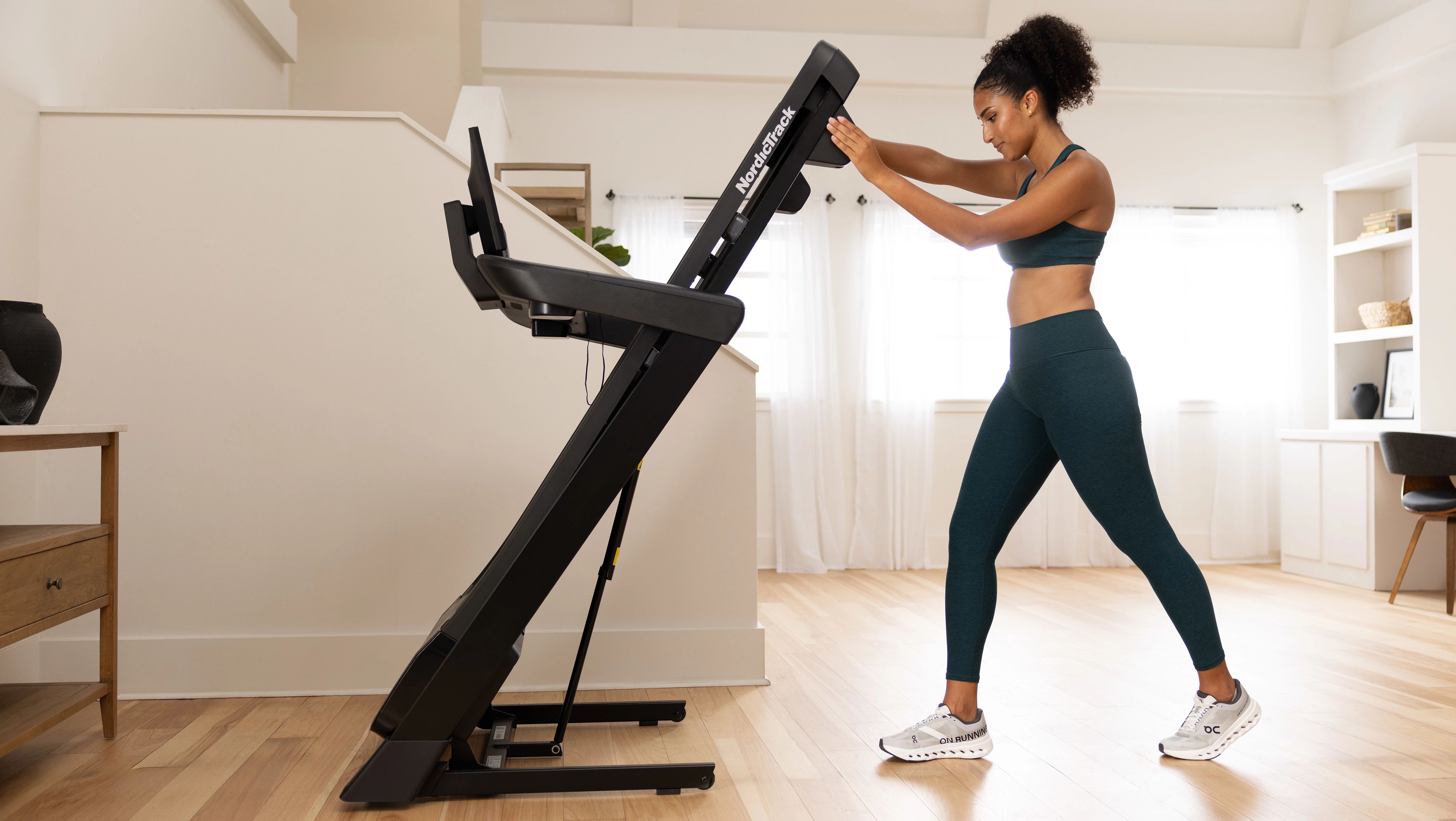
Best for: Compact spaces and everyday reliability.
The T Series is a practical starting point for those who want NordicTrack’s established engineering without the footprint of a commercial machine. These are built for the daily "get it done" workout.
The Pick: T 16 Treadmill
It offers a 16-inch HD touchscreen and the SpaceSaver® Design, allowing you to fold the deck up and reclaim your floor space in seconds. The Vibe? Practicality. It’s for the user who wants a connected, high-quality experience in a home-friendly package.
See the best NordicTrack treadmills under $2,000 guide for examples.
The Standard: Commercial Series
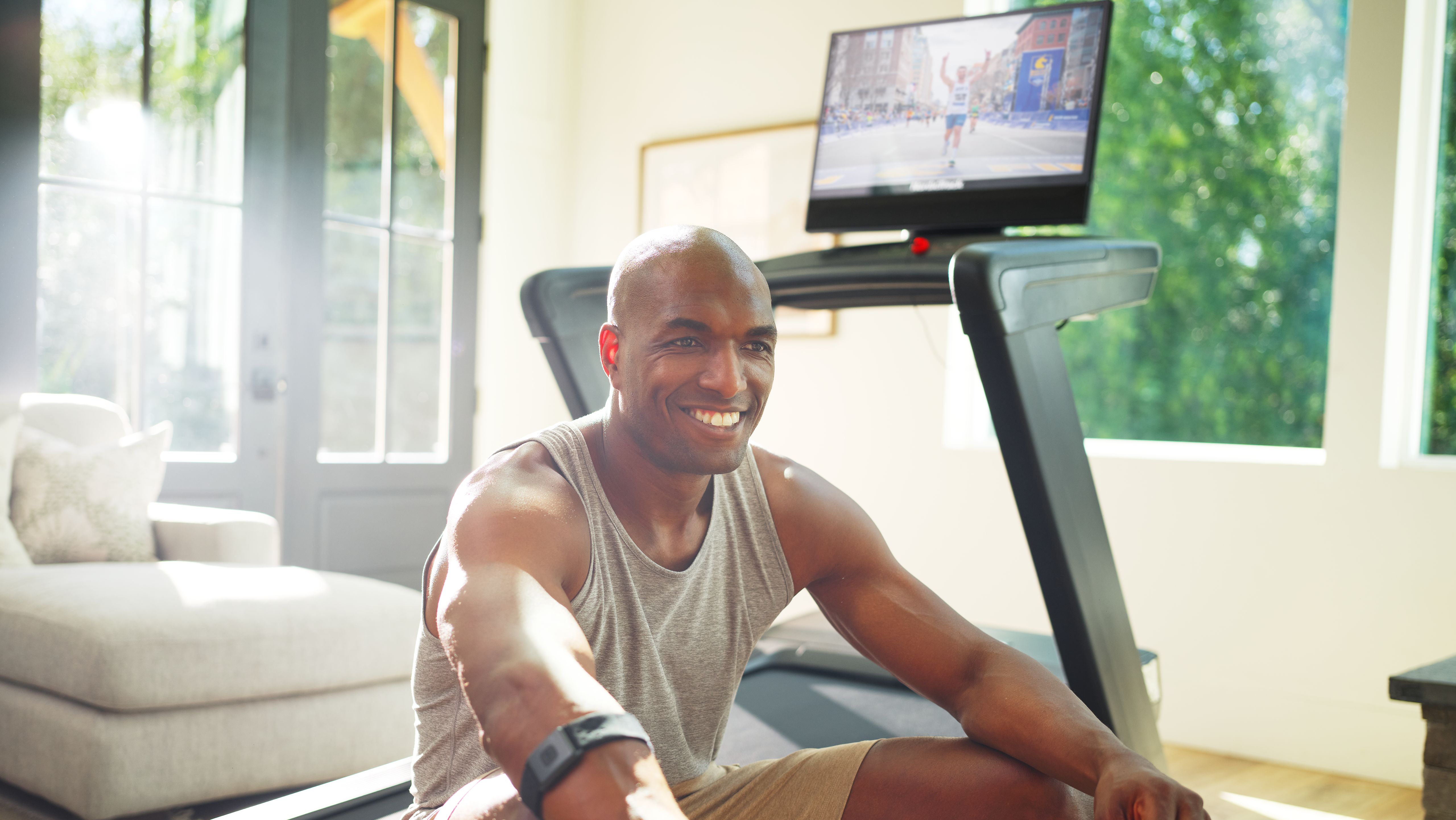
Best for: Dedicated runners and frequent training.
This is a core part of the NordicTrack lineup. These machines are durable, built to handle heavy mileage and intense intervals.
The Performance Pick: Commercial 1750, designed for durability and consistent performance during frequent running.
The Upgrade Pick: Commercial 2450, if you want a more immersive run, the 2450 features a massive 24-inch Tilt & Pivot HD Touchscreen, giving you a cinematic view of your iFIT global treks.
The Training Pick: Incline Series
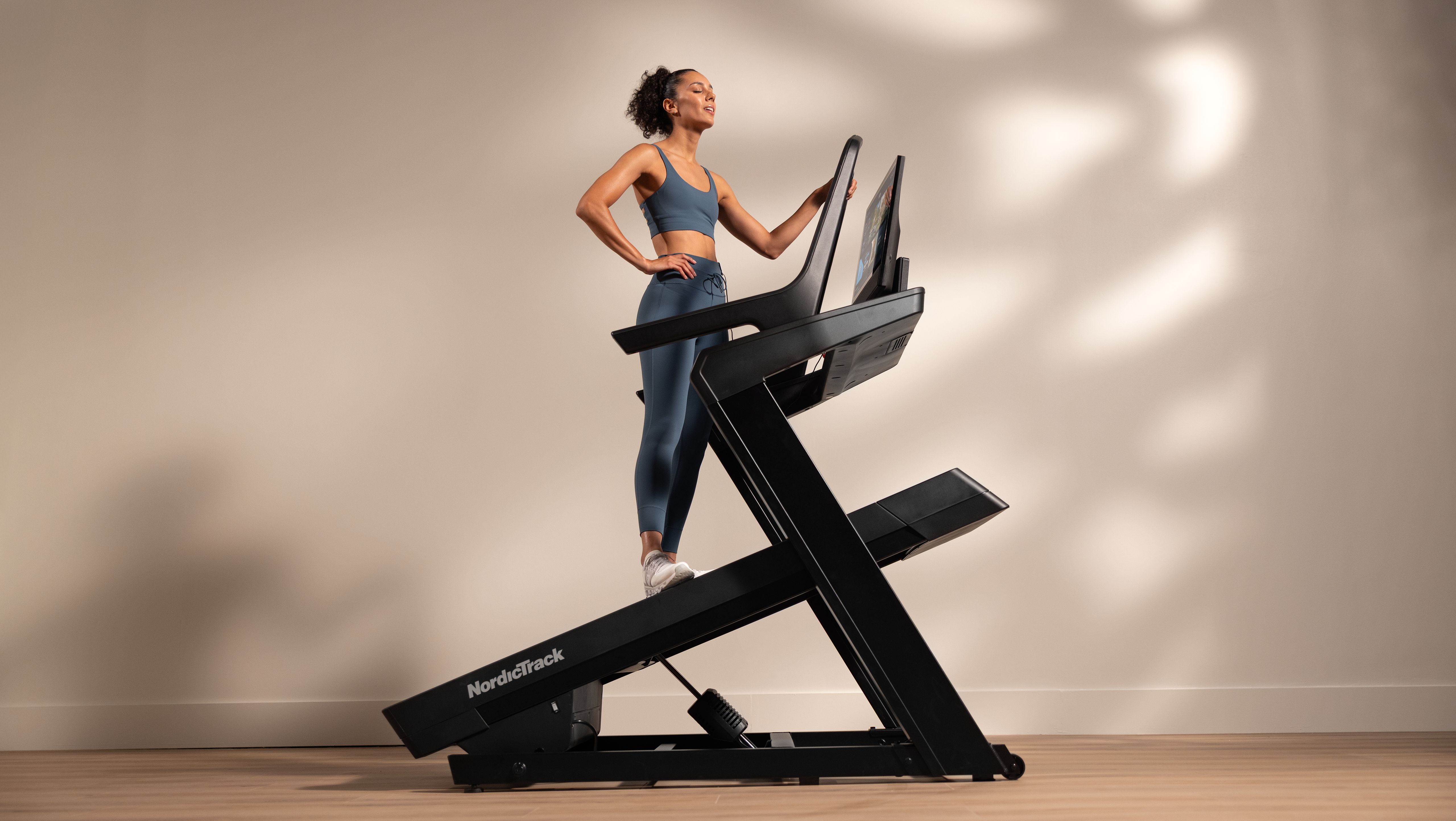
Best for: Incline-based workouts and mountain-style training.
If your goal is higher-intensity workouts in less time, the Incline Series is designed for focused incline-based training.
The Ultimate Pick: X24 Incline Treadmill
With a -6% to 40% incline range, you can increase workout intensity by walking at a steep grade compared to walking on a flat surface.
The Luxury Tier: The Ultra Series ($5,000 – $15,000)
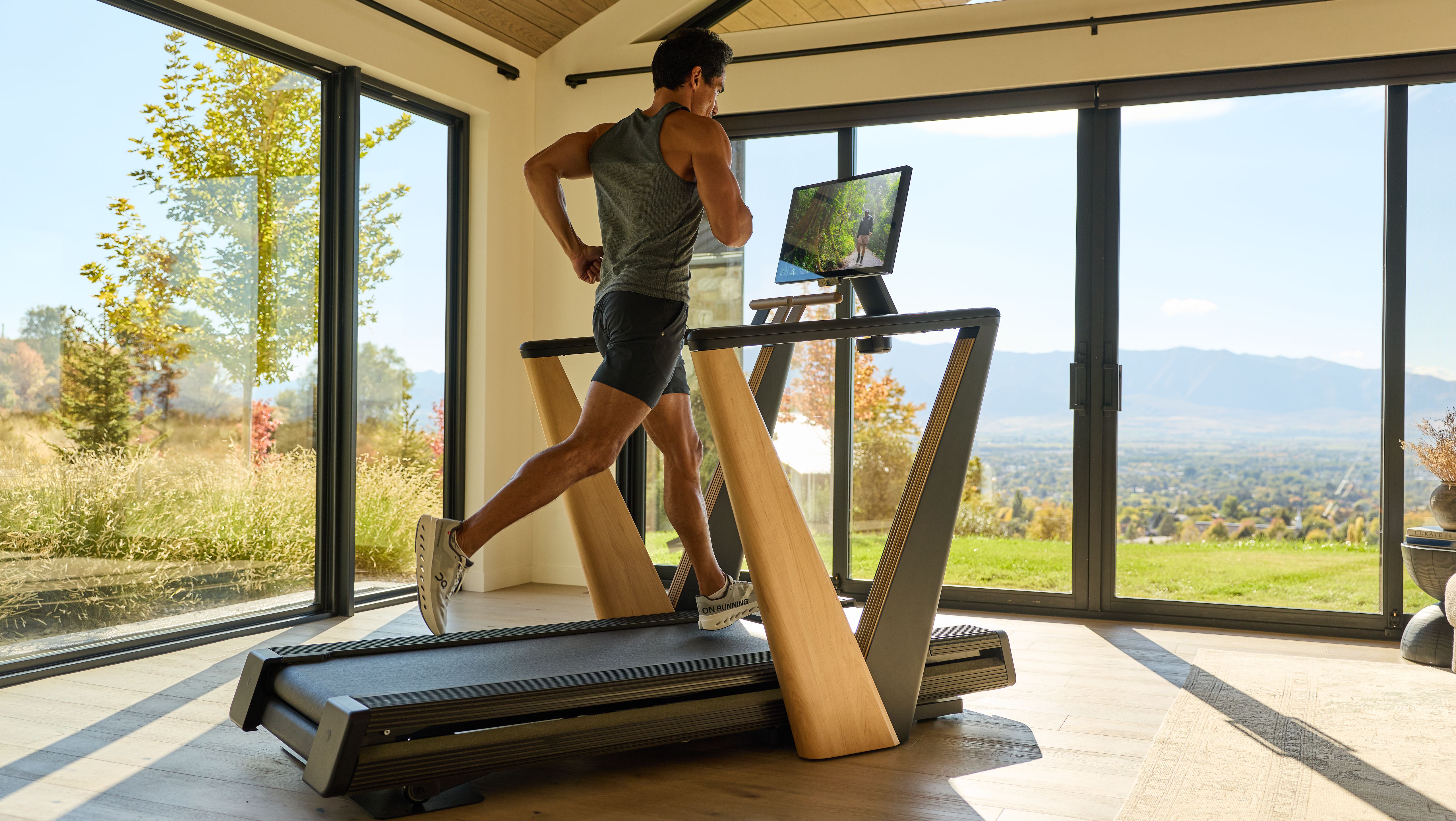
Best for: Architectural design and a premium, performance option.
Most people won't look at a luxury treadmill, but the Ultra 1 and Ultra 3 are built for those who view fitness as a high-end wellness ritual.
Why Should You Even Look at the Ultra Series?
Architectural Artistry: Moving away from industrial plastic, the Ultra 1 features elegant wood accents and brass-toned details. It’s a piece of functional art designed to sit at the center of a room, not tucked away in a basement.
Zero-Shake Stability: Standard treadmills can vibrate during heavy sprints. The Ultra series uses a decoupled deck, ensuring the screen stays perfectly still even at top speeds.
The "Floating" Feel: The Ultra 1 uses Progressive Reflex™ Cushioning, designed to help reduce impact on joints compared to running on hard outdoor surfaces. It is designed to help reduce impact during workouts.
Next-Gen Controls: Replace buttons with premium throttle controls. You push or pull to adjust speed and incline, making adjustments feel as natural as shifting gears in a sports car.
Smart Features and Subscription Costs: What You’re Really Paying For
Connected platforms impact both function and cost. Here’s what to know about iFIT.
What is iFIT?
iFIT is a training platform built into NordicTrack machines. It offers trainer-led workouts, global routes, and automatic speed and incline changes. SmartAdjust™ and ActivePulse™ are two key features.
SmartAdjust™ alters speed and incline automatically to match the workout. ActivePulse™ adjusts speed and incline in response to your heart rate to help you stay within your selected training zone. Both simplify training and help you use the treadmill effectively.
What Does iFIT Cost?
An iFIT Pro Membership is required for features like SmartAdjust™ and ActivePulse™. The current cost is $39 per month. ActivePulse™ also needs a compatible heart rate monitor, sold separately. Include this ongoing fee in your budget.
What Works Without a Subscription?
You can use a NordicTrack treadmill in manual mode without an iFIT membership. Manual mode lets you control speed and incline yourself. You won’t have trainer-led programs or automatic changes, but the treadmill works normally.
Is the Subscription Worth It?
It depends on what keeps you consistent. If guided programs and automatic adjustments keep you training, the membership adds value. If you prefer independent workouts, you may not need it. Be honest about your habits and budget accordingly.
Folding vs. Non-folding: Which Design Fits Your Space?
Your choice depends on available space and usage.
Folding Treadmills
Folding decks, such as NordicTrack’s SpaceSaver® design, reduce floor space when stored. This helps in apartments or shared rooms. On quality models, folding doesn’t affect performance. Check stored dimensions to confirm it fits your space.
For smaller spaces, see the best NordicTrack treadmills for apartments.
Non-Folding Treadmills
Non-folding treadmills and incline trainers are heavier, more stable, and usually stay in one place. They suit regular runners and permanent workout areas. They’re less convenient to move but feel solid underfoot.
If you need to reclaim space between workouts, go with a folding design. If you have a dedicated gym area or want high incline options, a non-folding model is likely better.
How to Choose the Right Treadmill For You
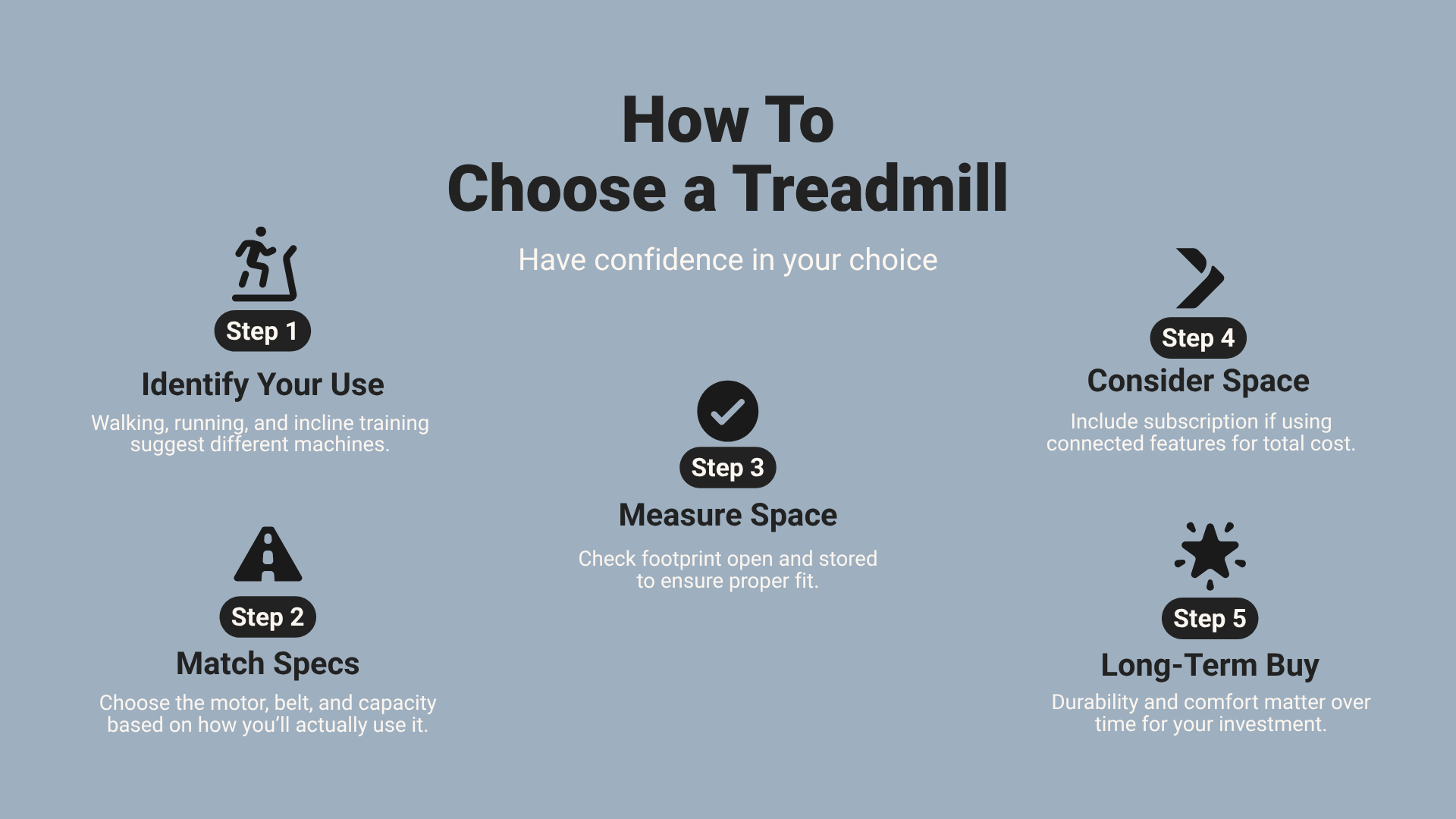
Use this framework to pull everything together.
Start with your main use. Walking, running, and incline training suggest different machines.
Match specs to your actual habits. Choose the motor, belt, and capacity that fit how you’ll really use it.
Measure your space. Check the footprint both open and stored. A treadmill that doesn’t fit is a major issue.
Consider total ownership cost. If you’ll use connected features, include the subscription in your plans.
Buy for the long term. Spending more for durability and comfort often pays off over years of steady use. Cheap models usually cost more later through repairs or replacement.
When comparing models, begin with the type that fits your workouts best. Look at running options, compact foldables, or incline trainers. If smart programming and automatic adjustments appeal to you, plan for iFIT from the start.
The effort is yours. The right treadmill makes it easier to keep it up.
FREQUENTLY ASKED QUESTIONS
iFIT Pro Membership ($39/mo) required to access iFIT content and SmartAdjust™ and ActivePulse™ features on compatible equipment. ActivePulse™ requires a compatible heart rate monitor, sold separately.
Disclaimer: The primary purpose of this blog post is to inform and entertain. Nothing on the post constitutes or is intended to be a substitute for professional medical advice, prevention, diagnosis, or treatment. Reliance on any information provided on the blog is solely at your own risk. Always seek the advice of your physician or other qualified health provider with any questions you may have regarding a medical condition, and please consult your doctor or other health care provider before making any changes to your diet, sleep methods, daily activity, or fitness routine. Do not disregard professional medical advice or delay seeking it because of information available on this blog. NordicTrack assumes no responsibility for any personal injury or damage sustained by any recommendations, opinions, or advice given in this article. Always follow the safety precautions included in the owner’s manual of your fitness equipment.
RECENT ARTICLES
Equipment
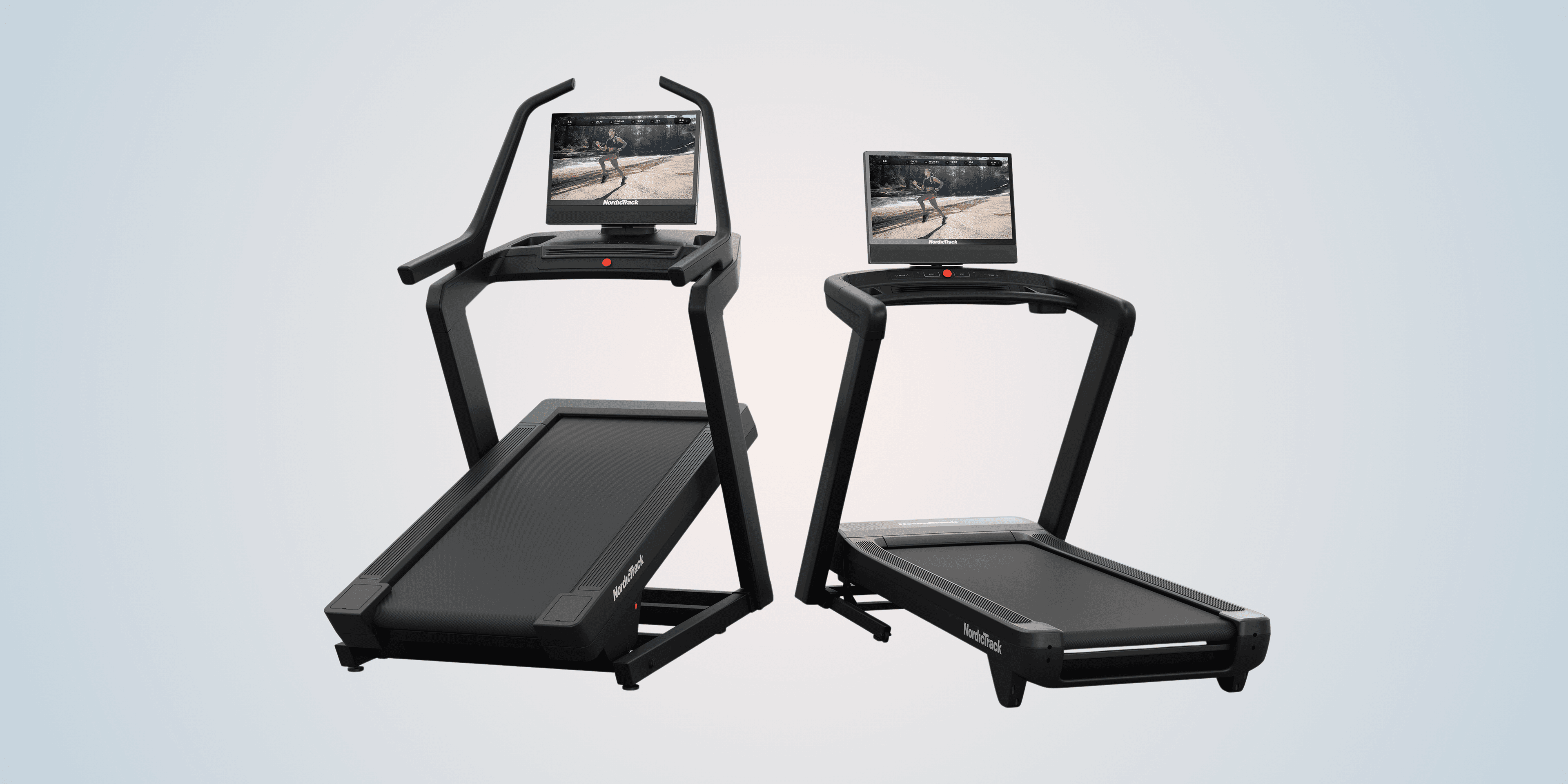
NordicTrack Treadmill Weight Capacity: How to Choose
Looking for a NordicTrack treadmill with higher weight capacity? Compare four models rated for 400 lb capacity and learn how motor power, incline range, and features influence your decision.
Mar 9, 2026 · 5 min read
READ MORE
Equipment | Financing
Is a Treadmill Worth the Investment? What You Get When You Buy Better
Wondering if a treadmill is worth the investment? Learn how incline range, cushioning, motor strength, and guided training shape long-term value and consistent results.
Dec 25, 2025 · 12 min read
READ MORE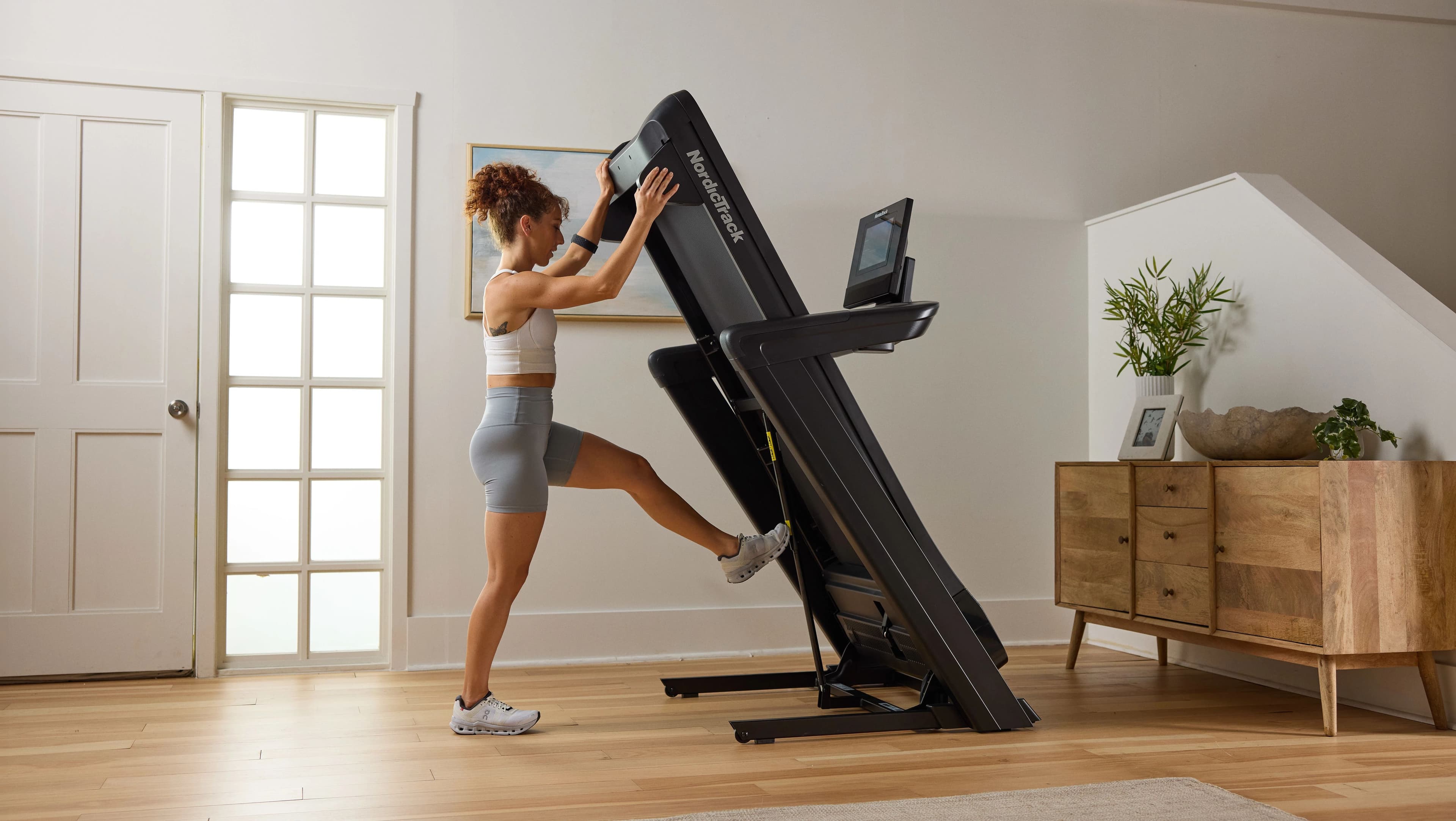
Equipment
Best NordicTrack Treadmill for Apartments
Find the best NordicTrack treadmill for apartments with compact, foldable designs, quiet performance, and space-saving features that support consistent home workouts.
Mar 24, 2026 · 8 min read
READ MORE